New gear. New energy on the ice. Discover Sherwood Code Photon. 🏒
Ice hockey is a contact sport where impacts happen frequently. These can occur during collisions with opponents, hitting the boards, or falling on the ice.
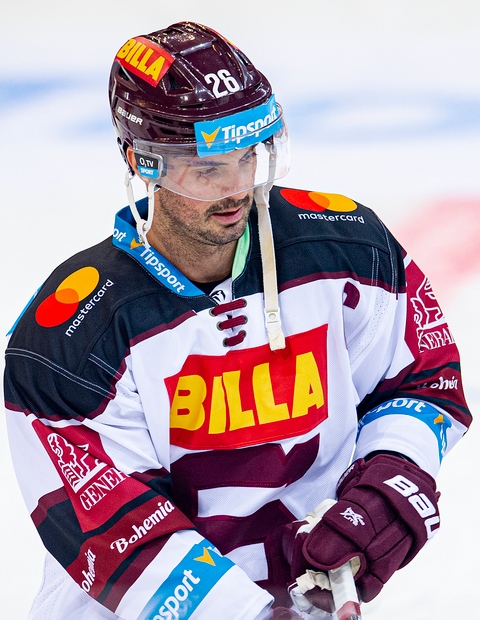
A hockey helmet is designed to:
No helmet can completely prevent a concussion. Modern helmet construction can significantly reduce impact force and therefore lower the risk of serious injury.
That is why a helmet is one of the most important pieces of hockey equipment – just like:
Hockey shoulder pads Hockey elbow pads Hockey gloves

Choosing the correct helmet size is essential for safety. The helmet must sit firmly and securely on the head.
Helmet size is determined by measuring the circumference of your head, using a measuring tape approximately 2–3 cm above your eyebrows. The tape should run around the widest part of the head – across the forehead and the back of the head.
| Size | Head Circumference |
|---|---|
| XS | 50–54 cm |
| S | 52–56 cm |
| M | 55–59 cm |
| L | 58–62 cm |
Most modern helmets feature adjustable sizing systems, allowing the helmet to be adapted to the shape of your head.

Proper helmet positioning is just as important as choosing the correct size. Even a high-quality helmet will not protect properly if it is incorrectly positioned.
A correctly positioned helmet:
The chin strap also plays an important role in keeping the helmet securely in place. A properly adjusted strap allows a maximum of two fingers between the strap and your chin.

Proper helmet adjustment is just as important as choosing the right size. Even a high-quality helmet cannot provide maximum protection if it is not adjusted correctly.
If it moves, readjust the helmet or check the size.
Every player has a slightly different head shape. Some heads are rounder, while others are more oval. This is why one helmet may fit perfectly while another helmet of the same size feels uncomfortable.
Hejduk helmets are very popular among recreational players and hobby leagues because they offer good comfort and an affordable price.
Modern hockey helmets are designed to combine high protection, low weight, and comfort.
The helmet shell distributes impact energy across a larger area.
EPP foam, VN foam or modern impact-absorbing materials such as D3O.
Ventilation openings help release heat and improve comfort during play.
Higher-end helmets often combine multiple foam layers.

Always check helmet safety certifications when choosing a helmet. These organizations test helmets for impact resistance and structural durability.
| Certification | Meaning |
|---|---|
| HECC | North American safety standard |
| CSA | Canadian safety certification |
| CE | European safety certification |

Face protection is also an important part of the helmet. The right choice depends on player level, league rules and personal preference.
The most common option in youth hockey.
Not every hockey helmet is designed for the same type of player. Beginners and recreational players usually look for a comfortable and affordable helmet, while performance players often need models with more advanced protection technologies.
Safety, correct sizing and simple adjustment are the most important factors. Youth helmets should always include a cage.
Youth and junior hockey helmetsA good balance between comfort, protection and price. Hejduk helmets are very popular in this category.
Helmets for recreational playersAdvanced head protection technologies, multi-layer foams and modern size adjustment systems.
Helmets for performance players| Player Level | Recommended Helmet Type |
|---|---|
| children | lightweight helmet with cage |
| recreational players | comfortable Hejduk helmet |
| performance players | Bauer Re-Akt, CCM Tacks |
For young players, choosing the correct helmet is even more important than for adults. Never buy a helmet “that the child will grow into.” The helmet must fit correctly from the start.
Replace your helmet if:
Most helmets should be replaced after approximately 5 to 7 years of use.
The helmet should fit firmly and should not move when you shake your head.
More expensive helmets often include advanced technologies, but the most important factor is correct sizing.
For most players, a cage provides better protection.
A properly chosen hockey helmet is the foundation of safety on the ice. When selecting a helmet, it is important to focus not only on size but also on construction, technologies and safety certifications.
👉 View the full selection of hockey helmets
If you are unsure which helmet to choose, the specialists at Hejduksport.com will be happy to help you select the right helmet based on your head size, playing level and preferences.
📞 Phone: +420 733 132 833
📧 E-mail: info@hejduksport.cz
Customer support hours: Mon–Fri 8:00–16:00