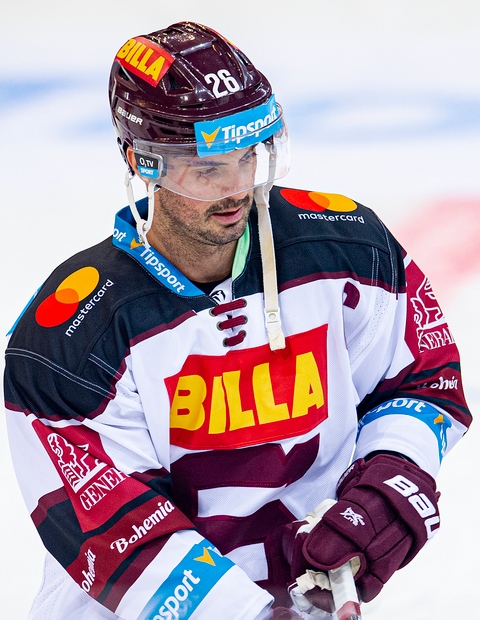
New gear. New energy on the ice. Discover Sherwood Code Photon. 🏒
Hands are among the most heavily used parts of the body in hockey. Players rely on their hands when shooting, passing, stickhandling, and battling for the puck.
Hockey gloves serve several important functions:
Modern hockey gloves combine protective foams, plastic inserts, and flexible construction that allows the hand to move naturally during play.
Hockey glove sizes are typically measured in inches. The correct size can be determined by measuring the distance from the tip of the middle finger to the base of the wrist or forearm.
| Size | Player Age |
|---|---|
| 8" | small children |
| 9" | children |
| 10" | older children |
| 11" | junior |
| 12" | junior |
| 13" | smaller adults |
| 14" | most adults |
| 15" | large hands |

Properly fitted gloves should feel comfortable while still being secure.
It is also important that gloves allow full wrist mobility, which is essential for shooting and passing.

Hockey gloves are available in several different fit profiles that affect comfort and playing style.
Narrower around the fingers and wider around the wrist. This design provides excellent stick feel while still allowing wrist mobility.
Follows the natural shape of the hand and provides a snug fit with excellent control and responsiveness.
Looser construction that provides more room for the hand. Popular among players who prefer maximum comfort.

Every player has a slightly different playing style, which can influence glove choice.
Modern hockey gloves protect several key areas of the hand while maintaining the flexibility needed for stickhandling.
Protection is typically provided by multi-layer protective foams, plastic inserts, and segmented flexible panels.
The palm is one of the most important parts of a hockey glove because it directly affects stick feel and durability.
The palm is usually the first part of the glove to wear out because it constantly contacts the hockey stick.
Benefits of palm replacement:
However, this does not necessarily mean you need new gloves. Palm replacement can professionally extend the life of your gloves.
👉 Hockey glove palm repair and replacement
Proper care can significantly extend the life of your gloves.
It is also important to regularly replace stick tape, as worn tape can quickly damage glove palms.
You should replace your gloves if:
Measure the distance from the middle finger to the wrist.
It depends on your playing style, but many modern players prefer tapered fit gloves.
Usually several seasons depending on playing frequency.
The right hockey gloves significantly affect both comfort and performance on the ice. When choosing gloves, it is important to consider not only size, but also fit, protection, and materials.
👉 View the full range of hockey gloves
If you are unsure which gloves to choose, the specialists at Hejduksport.com will be happy to help you select the right gloves based on hand size, playing level, and playing style.
📞 Phone: +420 733 132 833
📧 E-mail: info@hejduksport.cz
Customer support hours: Mon–Fri 8:00–16:00